
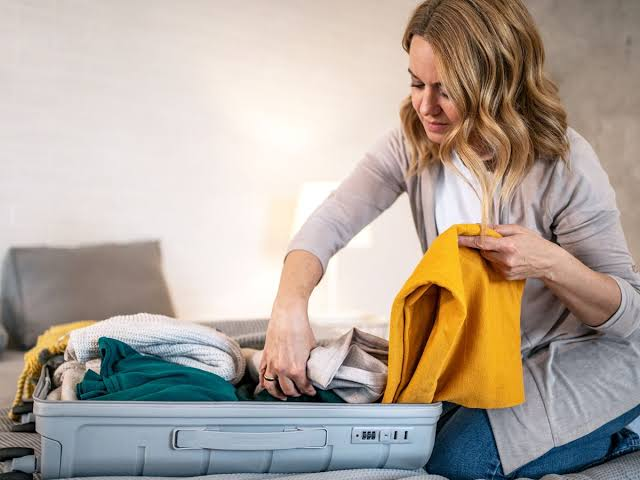
Traveling is one of the best ways to explore new cultures, create unforgettable memories, and take a break from everyday routines. However, many travelers face two common challenges: spending too much money and carrying more luggage than they actually need. Overpacking often leads to extra baggage fees, unnecessary stress, and difficulty moving around during a journey.
Smart travel planning can solve both problems. By making thoughtful choices before and during a trip, travelers can reduce expenses while enjoying a lighter and more comfortable experience. From choosing the right items to pack to finding affordable travel options, simple strategies can make a major difference.
For travelers who want practical guidance on planning efficient journeys, resources like gotravellights.com provide helpful ideas for saving money, organizing trips, and reducing unnecessary luggage. Learning how to travel lighter not only improves convenience but also helps create a more flexible and enjoyable adventure.
Plan Before You Pack
One of the biggest mistakes travelers make is packing without a clear plan. Before placing items into a suitcase, consider the destination, weather conditions, trip duration, and planned activities. Creating a checklist prevents unnecessary items from taking up valuable space.
Instead of packing “just in case” clothing, focus on versatile pieces that can be used in multiple situations. A simple wardrobe with mix-and-match outfits allows travelers to carry fewer clothes while still having plenty of options.
Researching the destination in advance also helps avoid extra spending. Knowing whether your accommodation provides towels, toiletries, or basic supplies can prevent you from buying duplicate items after arrival.
Choose Lightweight and Multi-Purpose Items
Reducing luggage starts with choosing smarter travel gear. Lightweight items are easier to carry and can help avoid additional baggage costs. A compact backpack or small suitcase often encourages travelers to pack only what they truly need.
Multi-purpose products are especially useful for minimalist travelers. For example, a jacket that works in different weather conditions, shoes suitable for multiple activities, and reusable travel containers can save both space and money.
Travelers should also consider digital alternatives. Instead of carrying heavy books, maps, and documents, many resources can now be stored on smartphones or tablets. Digital boarding passes, travel apps, and online guides reduce physical clutter.
Save Money by Booking Smartly
Budget-friendly travel requires careful planning. Booking flights, hotels, and transportation at the right time can significantly reduce expenses. Travelers should compare different options instead of choosing the first available deal.
Flexible travel dates can also help save money. Flying during less busy periods or avoiding peak seasons often results in lower prices and fewer crowds. Many travelers find that exploring destinations during shoulder seasons provides a better experience at a lower cost.
Accommodation choices also influence travel budgets. Hotels are not always the only option. Depending on the destination, travelers can consider guesthouses, vacation rentals, or budget-friendly accommodations that provide comfort without excessive costs.
Pack According to Your Actual Needs
A common reason for heavy luggage is packing items that are rarely used. Before adding something to your bag, ask yourself whether you will realistically need it during the trip.
A useful approach is to prepare everything you want to pack and then remove a few unnecessary items. Many experienced travelers follow this method because it creates extra space and reduces the chance of carrying unused belongings.
Clothing should be packed strategically. Rolling clothes instead of folding them can save space and help organize luggage. Packing cubes are another helpful option because they separate items and make it easier to find things quickly.
Reduce Extra Travel Expenses
Saving money while traveling involves more than finding cheap flights. Small daily expenses can quickly increase the overall cost of a trip. Preparing a realistic budget before departure helps control spending.
Eating every meal at expensive tourist locations can become costly. Exploring local restaurants, markets, and smaller food spots often provides authentic experiences at better prices.
Transportation is another area where travelers can save. Walking, using public transportation, or researching affordable local travel options can reduce costs while allowing visitors to experience the destination more closely.
Use Technology to Travel More Efficiently
Modern technology has made travel planning easier than ever. Smartphones can replace many traditional travel tools, helping people manage bookings, navigation, communication, and budgeting from one device.
Travel apps can help track expenses, store important documents, and find useful information about destinations. However, travelers should avoid downloading too many unnecessary apps because digital organization is just as important as physical packing.
Keeping electronic copies of passports, reservations, and travel insurance details can also provide extra security. The U.S. Transportation Security Administration offers official travel guidance and recommendations for passengers preparing for trips through its website: TSA Travel Information.
Focus on Experiences Instead of Possessions
Many travelers discover that the best parts of a journey are not the items they bring home but the experiences they collect. Carrying less luggage creates more freedom to explore, move easily, and enjoy unexpected opportunities.
A lighter bag means less time managing belongings and more time experiencing the destination. Travelers can focus on meeting people, discovering new places, and creating meaningful memories instead of worrying about excessive baggage.
Simple Habits for Future Trips
Developing better travel habits can make every future journey easier. After each trip, review what items were actually used and what remained untouched. This information helps improve packing decisions for the next adventure.
Investing in quality travel essentials can also provide long-term savings. Durable luggage, reusable items, and practical clothing may cost more initially but can reduce replacement expenses over time.
Traveling light is not about sacrificing comfort. It is about making smarter decisions and carrying only what adds value to the journey.
Conclusion
Saving money and reducing luggage are two goals that can completely transform the travel experience. With careful planning, efficient packing, and smart spending choices, travelers can enjoy smoother and more affordable adventures.
A lighter suitcase allows greater flexibility, while a well-managed budget opens opportunities to explore more destinations. Whether traveling for a weekend getaway or a long international journey, adopting simple travel strategies can make every trip more enjoyable and stress-free.
